Politics near home
When people talk about politics, they often mention national leaders. Yet many decisions that affect daily life are made much closer to home. A public park, a local library and rubbish collection can all lead us to local government.
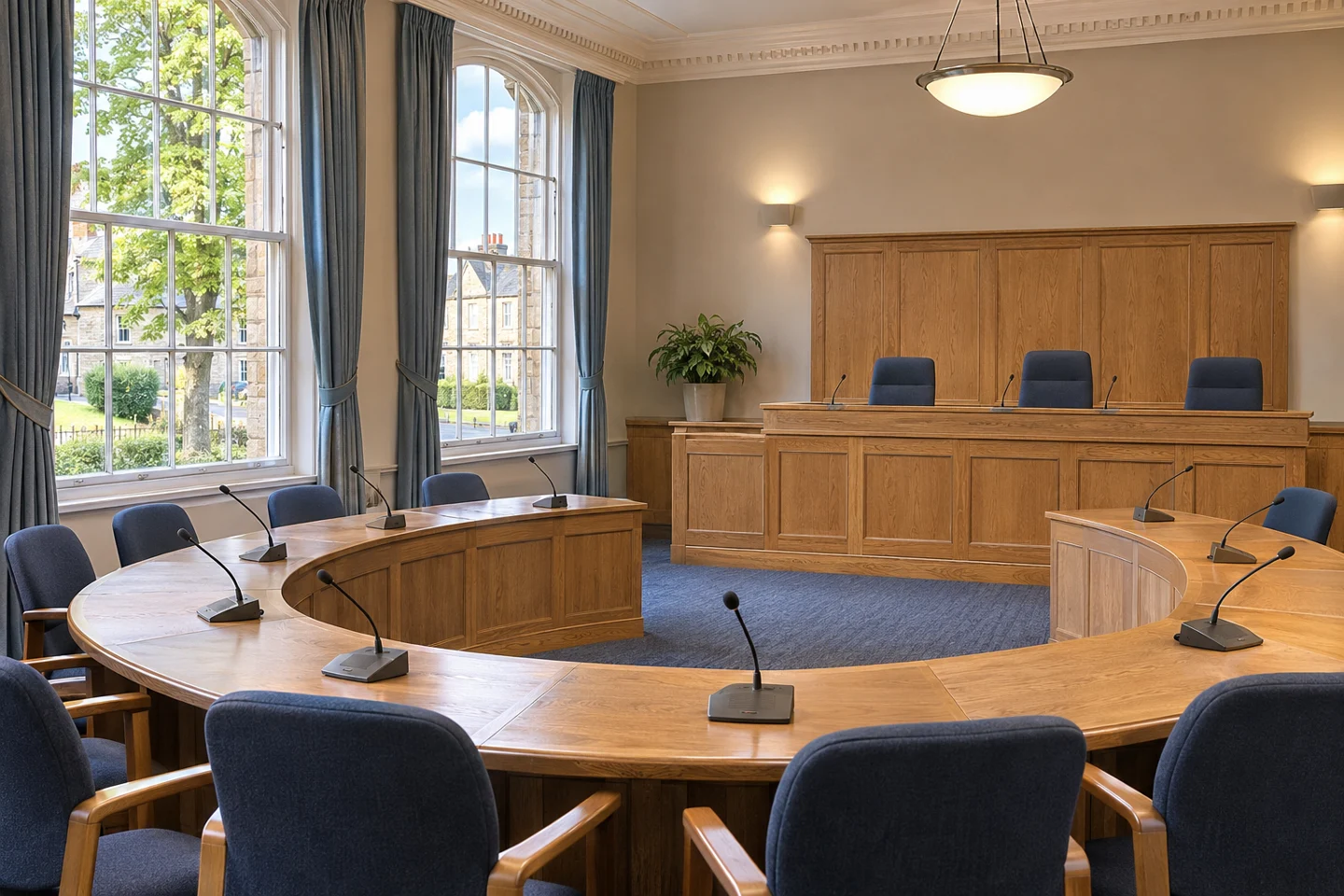
In the UK, local councils provide services for particular areas. The exact responsibilities depend on the type of council and where you live. In some areas, services are divided between different councils. In others, one authority provides most local services.
People and priorities
Elected councillors represent local areas. They help set priorities and oversee the council’s work. Council staff carry out many of the practical tasks. A councillor and a council employee therefore do not have exactly the same role.
Imagine a fictional town deciding how to use a small piece of public land. Some residents want a playground. Others would prefer more trees and benches. A third group asks for space for a community garden. The decision involves different needs and a limited budget.
There may be no option that gives everyone everything. The useful questions are specific: who can decide, what information is available, and how can residents contribute?
Ask a better question
This is a UK example, not a description of every country’s system. Local responsibilities and ways to participate vary. Understanding your own area starts with finding the correct institution.
For an English learner, “Who is responsible for…?” is a practical phrase. It can help you ask about a service, a problem or a decision. Politics becomes easier to discuss when we can name both the responsibility and the person or organisation that holds it.