More than a dramatic nickname
The Svalbard Global Seed Vault is often associated with the prospect of catastrophe. Yet its purpose becomes easier to understand when we consider an ordinary failure: a freezer breaks down, a collection deteriorates, and years of careful conservation are put at risk.
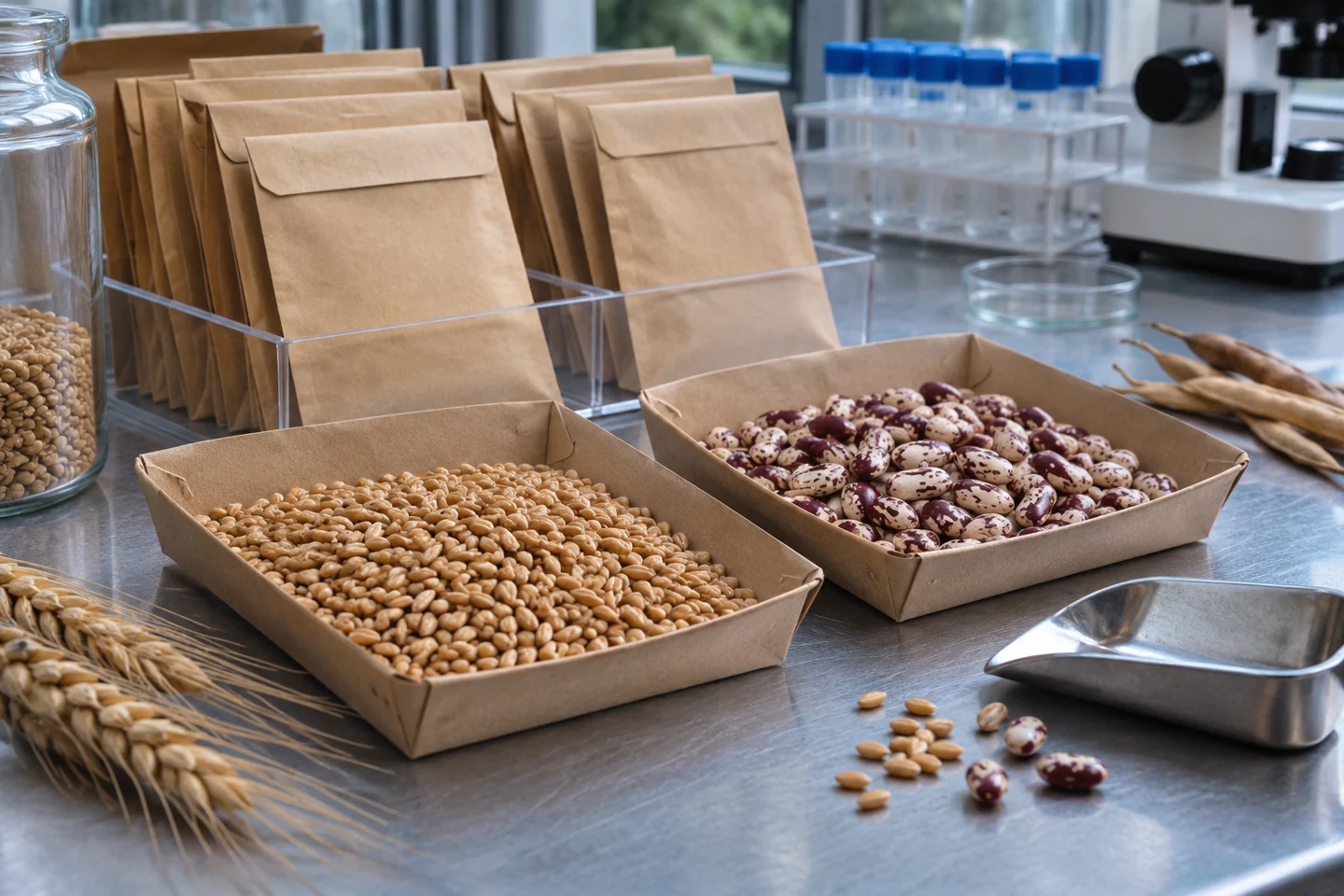
Located inside a mountain in the Norwegian Arctic, the vault stores duplicate samples sent by genebanks. It provides a separate place to keep material that might otherwise be lost. The collection is therefore part of a wider conservation system, rather than a replacement for the institutions that maintain seeds in everyday use.
Keeping the options open
Crop diversity includes differences within a crop, not simply the difference between wheat and rice. A particular variety may carry traits that become useful when growing conditions change. Once a variety disappears, the options associated with it may disappear too.
Low temperatures and carefully controlled storage help preserve the seeds. However, depositing a sample is not the end of conservation. Collections elsewhere still need skilled staff, suitable equipment and continuing care. A distant backup cannot perform every task of a functioning genebank.
Ownership is another important distinction. Depositors retain control of their samples. Under the vault’s “black box” arrangement, the institution that deposited a box is the one entitled to withdraw it. Sending material to Svalbard does not mean handing it over for unrestricted distribution.
Insurance needs maintenance
Consider the analogy with a personal backup. Saving a second copy of your work is sensible, but it does not make the first copy irrelevant. You still organise the files, check that they open and continue working on them. The value lies in having more than one route to recovery.
The analogy has limits: seeds are living material, and conserving crop diversity requires expertise far beyond copying a folder. Nevertheless, it helps explain why a spectacular building and a network of less visible institutions belong in the same story.
Innovation is often presented as the arrival of something entirely new. Here, it also means finding ways to keep existing possibilities available. What appears to be storage is a decision about how much room the future will have to respond.