A smaller crop, the same appetite
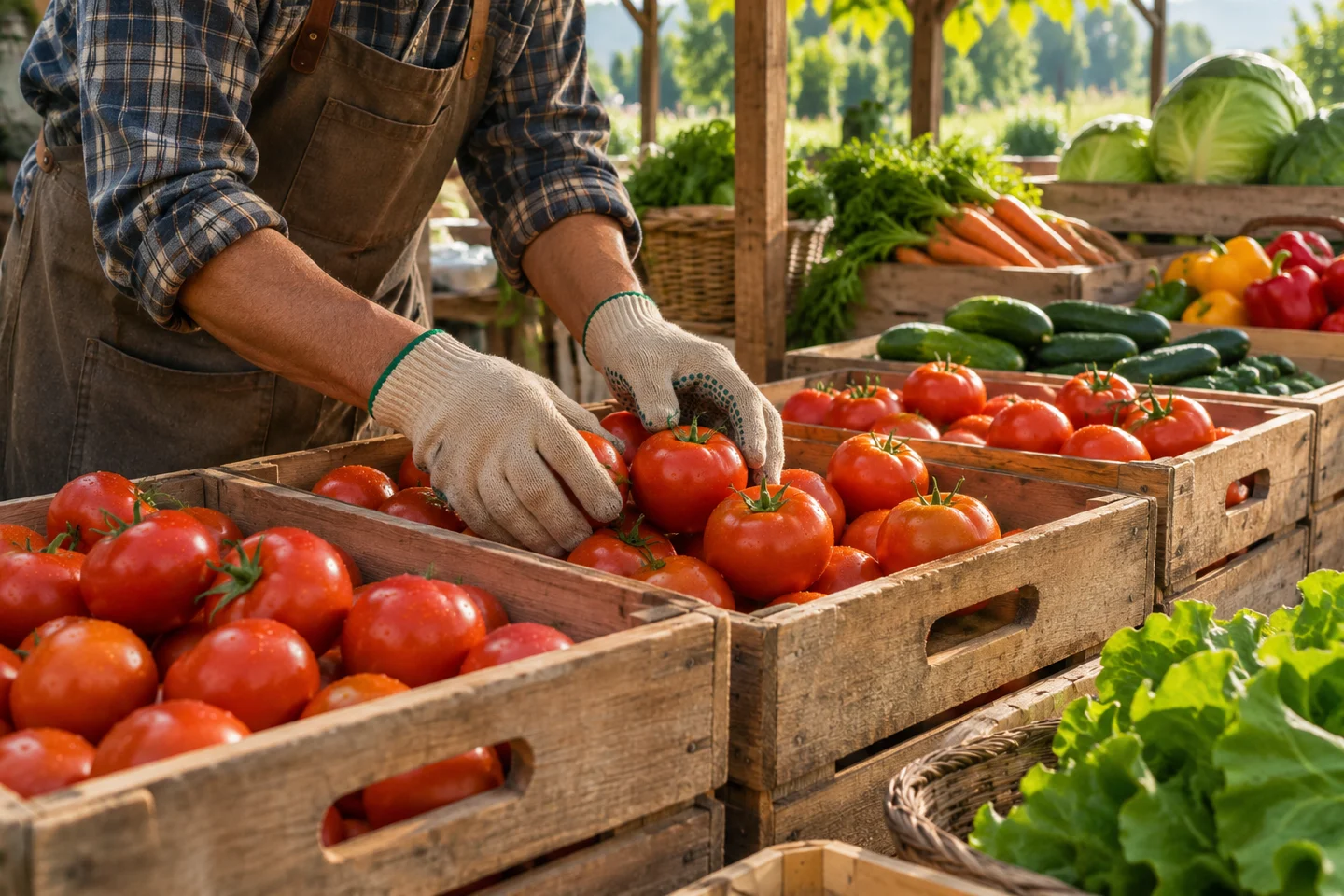
Imagine a fictional town whose tomato growers have had a difficult season. The harvest is smaller than expected, while households and restaurants still want roughly the same quantity. Before looking at any price tag, we can identify a tension: less is available than people had planned to buy.
Supply describes what sellers make available; demand concerns what buyers are willing and able to purchase. If supply falls while demand remains strong, there can be upward pressure on the price. The phrase “pressure on” matters: it describes an influence, not a guarantee that every seller must make an identical decision.
The story does not end at the stall
Continue the hypothetical example. A restaurant may buy fewer tomatoes, change a dish or accept a smaller margin. A shopper may choose a substitute. Suppliers elsewhere may offer additional stock. The original shortage sets responses in motion, and those responses can affect what happens next.
The final price also reflects more than the harvest. Transport, energy, labour and the terms under which goods are bought and sold can all matter. A simple model helps us isolate one relationship, but becomes misleading if we mistake it for a complete account of every market.
Nor is one expensive vegetable the same thing as inflation across an economy. Inflation measures the change in a broader price level. Particular items can move differently from the average, and households do not all buy the same mix of goods.
Keep the assumption visible
Try describing our fictional town without the words “always” or “inevitably”. You might say that a smaller harvest could raise prices, especially if alternatives were limited. You might then explain what would weaken that prediction.
This is a useful habit beyond economics. An explanation gains strength when its assumptions are visible enough to challenge. “If demand remains unchanged” is not unnecessary decoration: it tells the reader which part of the situation the argument is holding still.
The market stall gives us an accessible starting point. The larger lesson is to ask what changed, what did not, and how people responded. A price tells us a result; understanding it requires a story about the conditions behind it.